
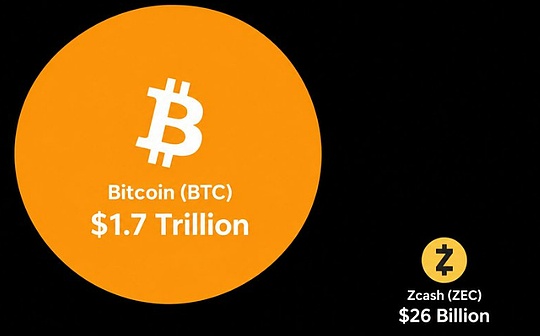
ZEC is behind BTC, 2026 is ETH in 2021; NEAR is behind smart contracts.
The ZEC surged 32 times during the year, breaking down ETF buys, whale locks, supply shocks and Big Brother endorsement of four claims, and replicating the valuation logic of “bitcoin insurance”.
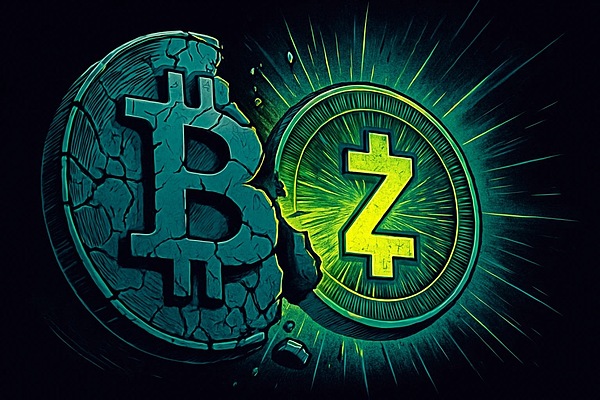
ZEC has soared 32 times the annual rate, and this paper uses valuations, promotion schedules and four supporting statements to ask what exactly is the value of “bitcoin insurance”.
Current yield is about $1,000/megawatt-hour.
From the bottom of the $16 to almost 100 times the two years, Zcash proved for 10 years that privacy narratives will eventually be priced by the market.
Zcash is about 2.5 times more likely to be digging this year. The daily revenues from Zcash mining on a single rig are about two times more than those of a bitcoin; the corresponding revenues per MWh hour are about four times that of a bitcoin.
The real test is not whether ZEC can hit a new height, but rather if the market will catch it at today’s prices when the profit margin is not forced to stop.
Zcash then needs to prove whether privacy requirements can be converted into sustainable use, and then whether security repairs can build long-term trust and finally the quality of institutional demand.
ZEC is playing a strong unilateral campaign. The air is contributing to fuel rises, while the voices are rising abroad and even treated as private bitcoins.
From VVV to HYPE, how can the encryption market look for the next undervalued asset?
Zcash market value is lower than bitcoin and price volatility is higher, making options a very attractive risk management tool; it may also be an attractive path for investors wishing to earn the right-money gains.
The Gold Book presents the early 8 a.m. Gold and blockchain industry issue 3176, which provides you with the latest and fastest digital currency and blockchain news.
Zcash's latest round of escalation is a narrative-driven sexwork.
Over the past year, ZEC has experienced a mad state of affairs ranging from $50 to $1,200.
Artificial intelligence poses a new threat to financial privacy, while prompting markets to seek new responses. Zcash is a digital asset of bitcoin with additional privacy features that are expected to be one such solution.
Repurchases of US Treasury bonds can only alleviate the apparent problems associated with structural fiscal deficits. Greyscale suggests that an uncontrolled increase in government debt, or a push to invest in alternative value-storage assets, is expected to yield more than TTcos, ETAs, Zcash, and others.
Bitcoin’s transparency, simplicity, and high liquidity will underpin its position as a front-runner in encrypted markets. But Grayscale believes that the value of financial privacy and other unique features of Zcash may be undervalued by the market now.
ZEC broke $880 and the unsettled contract went up to $1.8 billion.
The best end of the invisibility is to be seen by all.
We are on the brink of widespread public attention in the third wave of financial privacy, driven by the growth of stable currency and other sector-based chains, as well as AI.